

When it comes to upgrading or installing staircases in Toronto, selecting the right stair supplies is crucial.
Whether you’re a homeowner, contractor, or DIY enthusiast, purchasing high-quality stair components like railings, stair spindles, and treads can enhance both your stairs’ aesthetics and safety.
But how do you make the best choices?
- A comprehensive understanding of stair supplies is essential for any stair-related renovation. These encompass all the vital components needed to construct or renovate a staircase, ranging from structural elements to decorative features. These components include:
- Railings that provide both safety and visual appeal
- Stair spindles (also known as balusters) that offer vertical support between handrails and treads
- Newel posts that serve as main structural supports for the railing system
- Stair treads and risers that form the actual steps of the staircase.
At Cosmaroma, we manufacture stair supplies and ensure high-quality materials. This guide outlines 13 essential steps to help you navigate the stair supplies market in Toronto to make informed purchases.
A Buying Guide to Stair Supplies in Toronto
Buying stair supplies requires some basic knowledge. Follow this guide to help make it easier.
1. Determining Your Staircase Needs
Understanding the scope and requirements of your staircase project is a critical first step in the planning process. The needs of a complete staircase construction differ significantly from those of a renovation or partial upgrade.
When building a new staircase, you’ll need to consider every component from the ground up, including structural elements like stringers, treads, and risers, along with decorative and safety features such as railings and spindles.
In contrast, an upgrade might focus on specific elements like replacing worn treads or modernizing the railing system while maintaining the existing structure.
Each type of project requires different planning approaches, budgets, and timelines. For renovations, it’s essential to assess the condition of existing components to determine whether they can be safely retained or need replacement.
Consider both your immediate requirements and the products’ long-term durability when making these decisions. The choice between a full rebuild and selective upgrades often depends on factors such as the age of the existing staircase, safety concerns, budget constraints, and desired aesthetic improvements.
2. Measuring Your Staircase Dimensions
Precise measurements are fundamental to a successful staircase project, whether you’re building new or renovating existing stairs. The measurement process requires attention to detail and an understanding of local building codes.
Begin by measuring the total width of the staircase, which includes not just the walking space but also allowances for railings and any decorative elements. The minimum recommended width for residential staircases typically ranges from 36 to 42 inches, depending on local building codes and specific usage requirements.
Railing height measurements are particularly crucial for safety compliance. Indoor railings must be at least 36 inches high, while outdoor railings require a minimum height of 42 inches to ensure adequate fall protection.
When measuring for spindle installation, careful attention must be paid to spacing requirements. Toronto building codes mandate that spindles be positioned no more than 4 inches apart to prevent accidents, particularly those involving children. This measurement should be taken from the centre of one spindle to the centre of the next.
Additional critical measurements include the rise and run of each step, the overall staircase pitch, and the total run length of the staircase. These measurements need to be extremely accurate, as even small discrepancies can lead to safety issues or installation problems. It’s recommended that you take multiple measurements and document them carefully, including any variations in existing structures that might affect new installations.
3. Why Quality Matters
The importance of selecting appropriate stair components cannot be overstated. High-quality stair supplies for your Toronto home ensure your starirs’ long-term durability and safety while maintaining aesthetic harmony with your home’s design. They play a crucial role in meeting local building codes and can significantly impact your property’s value. Proper selection of materials and components helps create a lasting installation that combines functionality with visual appeal.
4. Research and Planning Process
Before embarking on a stair supply purchase, thorough research and planning are crucial.
This process begins with taking precise measurements of your staircase, as outlined above.
The design style you choose, whether modern, traditional, or industrial, will significantly influence your component selection.
Understanding different material options is equally important:
- Wood offers classic warmth and versatility.
- Metal provides durability and modern appeal
- Glass creates contemporary openness
- Composite materials offer affordability and moisture resistance.
5. Comparing Local vs. Online Stair Supply Stores
The decision to purchase from local stores or online retailers requires careful consideration of various factors that can significantly impact your project’s success.
Toronto stair supply stores offer the invaluable advantage of allowing direct physical inspection of materials before purchase. This hands-on experience enables you to assess the quality, texture, and colour accuracy of components. This is particularly important for materials like wood where grain patterns and finish variations can be substantial. You can also benefit from expert staff advice and often receive more personalized service tailored to local building requirements.
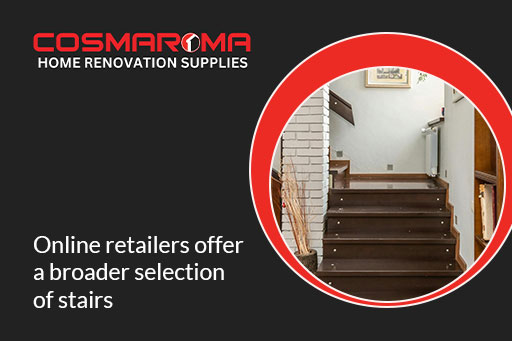
However, local stores might have limited inventory and potentially higher prices due to operational overhead. Online retailers, conversely, typically offer a broader selection and more competitive pricing, with the convenience of shopping from home and easy price comparison.
The trade-off includes shipping costs, which can be substantial for heavy items like newel posts or multiple stair treads, and the inability to physically inspect products before purchase.
A hybrid approach often works best: researching online to understand available options and pricing, then visiting local stores to examine similar products in person before making a final decision.
6. Price Comparison and Quote Analysis
A thorough price comparison process involves more than simply looking at base prices from different suppliers.
When gathering quotes, consider the total cost of ownership, including delivery, installation (if needed), and long-term maintenance requirements.
Material quality variations can significantly impact long-term value, making it essential to compare similar grade products across suppliers.
Request detailed quotes that break down costs for individual components, allowing for more accurate comparisons.
Also consider factors such as warranty coverage, return policies, and after-sale support when evaluating different suppliers. Some vendors might offer package deals or volume discounts that could provide better value when purchasing multiple components.
Document all quotes received and maintain clear records of what each includes to facilitate accurate comparisons.
7. Selecting Appropriate Stair Railings
The selection of stair railings involves balancing multiple crucial factors that impact both safety and aesthetics. Safety considerations must take precedence, ensuring that railings meet or exceed Toronto building code requirements for height, stability, and load-bearing capacity. The railing must provide secure support for users while maintaining proper clearance and grip dimensions. Aesthetic considerations include how the railing design complements your home’s architectural style and interior decor.
Material choices significantly impact both aspects. Wood railings offer traditional warmth and can be stained to match existing woodwork. Metal railings provide modern appeal and exceptional durability. And glass railings create a contemporary, open feeling while maintaining safety standards.
Consider the long-term durability of different materials in the context of your home’s usage patterns and environmental conditions. High-traffic staircases might benefit from more durable materials like metal, while showcase staircases in low-traffic areas might prioritize aesthetic appeal with more decorative options.
8. Component Selection Guide
Selecting the right components requires careful consideration of both style and functionality. Toronto homeowners often choose railings that balance safety with aesthetic appeal, ranging from traditional wood to modern metal or contemporary glass options.
Stair spindles come in various styles, including sleek square designs, decorative turned options, and contemporary metal variations.
When selecting treads and newel posts, durability should be a primary consideration, with hardwood treads offering excellent longevity and decorative newel posts adding architectural interest.
9. Safety and Quality Standards
Adherence to Toronto building codes is non-negotiable when installing stair components. The Ontario Building Code mandates specific requirements. These include, as noted, minimum railing heights of 36 inches for indoor stairs and 42 inches for outdoor installations, with spindle spacing not exceeding 4 inches.
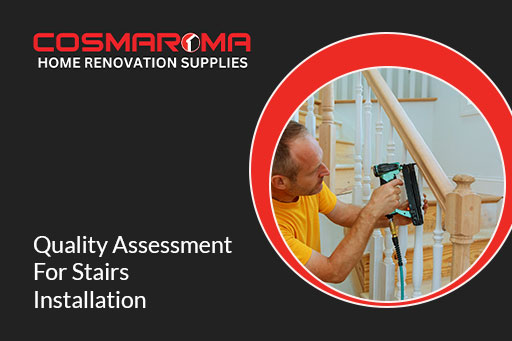
- Quality assessment should include:
- Evaluation of material finishes
- Considering factors like scratch resistance and moisture protection
- Choosing between pre-finished and unfinished materials based on your specific needs.
10. Installation Considerations
The final phase of your stair supply procurement involves deciding between professional installation and a DIY approach.
While DIY installation can reduce costs, it demands precise workmanship and thorough knowledge of building codes. Professional installation ensures proper fitting and code compliance.
Understanding your warranty coverage and return policies is crucial before finalizing any purchase.
The completion process should include careful verification of dimensions, confirmation of delivery timelines, and coordination with installation professionals if required.
11. Long-Term Maintenance Requirements
Understanding the maintenance demands of different stair components is crucial for long-term satisfaction.
Wood components may require periodic refinishing and sealing to maintain their appearance and durability. Metal railings might need regular inspection for rust and corrosion, especially in areas with high humidity. Glass panels require frequent cleaning to maintain their transparency and should be checked for any signs of stress or damage.
Consider creating a maintenance schedule based on your chosen materials and be prepared for the associated costs and time commitments of upkeep.
12. Budget Planning and Financing Options
Comprehensive budget planning extends beyond the initial purchase price of stair supplies. Factor in additional costs such as delivery fees, installation charges, necessary tools for DIY installation, and potential permit fees.
Many suppliers offer financing options, including payment plans or store credit cards, which can help manage larger purchases. It’s wise to maintain a contingency fund of approximately 15% to 20% of your total budget for unexpected expenses or upgrades during the project. Consider timing your purchase during seasonal sales or promotional periods to maximize value.
13. Future-Proofing Your Investment
When selecting stair supplies for your Toronto home, consider how your needs might evolve over time. Aging-in-place considerations might include selecting wider treads, installing additional handrails, or choosing non-slip surfaces. The adaptability of your chosen design to future style trends can impact your home’s resale value.
Consider modular or easily replaceable components that allow for future updates without requiring a complete overhaul.
Additionally, document your installation specifications, supplier information, and maintenance records for future reference or potential homebuyers.
FAQ
1. How much do stair railings cost in Toronto?
Prices vary based on materials. Wood railings cost between $40 and $100 per foot, while metal and glass railings can range from $80 to $300 per foot.
2. Are metal spindles better than wood spindles?
Metal spindles are more durable and require less maintenance than wood. But wood spindles offer a classic look and can be customized.
3. Do I need a permit to install stair railings in Toronto?
If you’re making structural changes, you may need a permit. Always check with Toronto’s Building & Construction department before starting renovations.
4. How long does it take to install stair railings?
Professional installation typically takes one to two days, depending on the complexity of the staircase.
Buying stair supplies in Toronto requires careful planning, research, and attention to quality and safety standards. Whether you’re selecting railings, stair spindles, or treads, following these steps will help you make informed choices, ensuring a stunning and durable staircase in your home. Whether you’re renovating or starting fresh, the right materials will add beauty, safety, and value to your home. If you need stair railings in the Toronto area, contact Cosmaroma.