
Choosing the right flooring for your home is one of the most important decisions you’ll make during a renovation or new construction.
When it comes to combining the natural beauty of wood with modern durability and stability, engineered hardwood stands out as an exceptional choice.
For Mississauga homeowners looking to buy engineered hardwood flooring, understanding the nuances of this versatile flooring option can help you make an informed decision that will serve your home beautifully for decades to come.
Understanding Engineered Hardwood: The Foundation of Your Flooring Decision
Before diving into the purchasing process, it’s essential to understand what makes engineered hardwood unique and why it has become increasingly popular among Canadian homeowners.
Engineered hardwood consists of multiple layers of wood pressed together, with a veneer of genuine hardwood and underlying layers of plywood or high-density fiberboard.
This construction method creates a product that offers the authentic look and feel of solid hardwood. At the same time, it provides enhanced stability and resistance to moisture and temperature fluctuations. This is an important consideration in Canada’s diverse climate conditions.
Unlike solid hardwood, which can expand and contract significantly with seasonal changes, engineered hardwood maintains its dimensional stability throughout the year. This makes it an ideal choice for installation over concrete subfloors, in basements, or in areas where humidity levels may vary. The multilayer construction also allows for installation using floating, glue-down, or nail-down methods, providing flexibility for different project requirements.
Key Factors to Consider When Purchasing Engineered Hardwood
Here are some key factors to consider when buying engineered hardwood flooring.
Quality of the Veneer
The thickness of the top layer directly impacts both the appearance and longevity of your flooring. When shopping for engineered hardwood in Mississauga, look for products with veneers ranging from 2 mm to 6 mm thick. Thicker veneers allow for multiple refinishing cycles over the floor’s lifetime, extending its usable life significantly. A 4 mm veneer layer typically allows for 2-3 refinishing cycles, while thinner veneers may only accommodate one refinishing.
The grade of the wood veneer also affects both the flooring’s appearance and price. Select grade offers a clean, uniform appearance with minimal natural characteristics, while rustic grades showcase more natural variation, knots, and colour differences.
Consider your home’s aesthetic and your personal preferences when choosing between these options.
Core Construction and Stability
The core layers of engineered hardwood play a crucial role in the product’s stability and performance. High-quality products feature cores made from birch plywood or high-density fiberboard (HDF), both of which provide excellent dimensional stability. Some manufacturers use softwood cores, which can be less stable but are more affordable.
When evaluating options from Mississauga engineered hardwood suppliers, inquire about the core construction and look for products with multiple plies running in alternating directions for maximum stability.
Finish Quality and Durability
The factory-applied finish protects your investment and determines how well your floors will withstand daily wear. Look for engineered hardwood with aluminum oxide or polyurethane finishes, which offer excellent durability and scratch resistance. Some products feature multiple finish coats, providing enhanced protection against wear and moisture penetration.
Pre-finished engineered hardwood offers several advantages over site-finished options, including consistent finish quality, reduced installation time, and elimination of fumes and dust associated with on-site finishing.
The advantage of site-finished floors is that they allow for custom stain colours and can provide a more seamless appearance between boards.

Navigating the Mississauga Market for Engineered Hardwood
Buying the right flooring requires plenty of research and understanding of the market.
Research Local Suppliers and Showrooms
Mississauga offers numerous options for purchasing engineered hardwood, from large home improvement retailers to specialized flooring showrooms. Visiting multiple suppliers allows you to compare products, prices, and service levels. Take advantage of showroom displays to see how different species, grades, and finishes look under various lighting conditions.
When evaluating suppliers, consider factors beyond price, including product selection, customer service quality, installation services, and warranty support. Established local suppliers often provide valuable expertise and ongoing support that can be crucial throughout your project.
Understanding Canadian Standards and Certifications
When purchasing durable engineered hardwood in Mississauga, look for products that meet Canadian standards for quality and environmental responsibility. The Canadian Standards Association (CSA) provides certification for wood products, ensuring they meet specific performance criteria. Additionally, look for products certified by the Forest Stewardship Council (FSC) or similar organizations, which verify sustainable forestry practices.
GREENGUARD certification indicates that products meet strict chemical emissions limits, contributing to healthier indoor air quality. This is particularly important in Canadian homes where windows remain closed for extended periods during winter months.
Climate Considerations for Canadian Homes
Canada’s climate presents unique challenges for flooring materials, with significant temperature and humidity variations throughout the year. Engineered hardwood’s stability makes it well-suited for these conditions, but proper selection and installation remain crucial for optimal performance.
Consider your home’s specific conditions when selecting engineered hardwood. Homes with radiant heating systems require products specifically approved for this application. Basements and below-grade installations may benefit from products with enhanced moisture resistance or specific moisture barrier requirements.
Installation Considerations and Professional Services
Here are some considerations when installing engineered hardwood flooring in your space.
DIY vs. Professional Installation
While some engineered hardwood products are designed for DIY installation, professional installation often provides the best results, particularly for first-time flooring projects.
Professional installers bring experience with subfloor preparation, moisture management, and proper acclimation procedures that can significantly impact your floor’s long-term performance.
If you choose a professional installation, verify that installers are familiar with your specific product and installation method. Many manufacturers require professional installation to maintain warranty coverage, making this an important consideration during the decision-making process.
Subfloor Preparation and Requirements
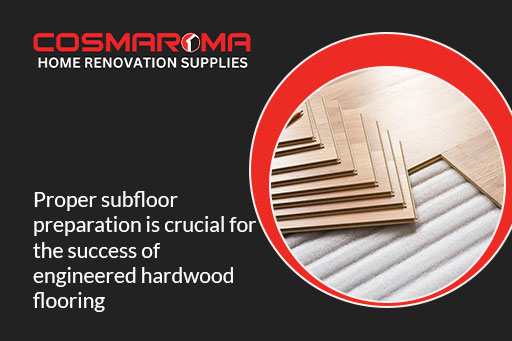
Proper subfloor preparation is crucial for the success of engineered hardwood flooring, regardless of how it is installed. Subfloors must be clean, level, and structurally sound. Concrete subfloors require moisture testing, and may need vapour barriers or moisture mitigation systems before installation.
Wood subfloors should be checked for squeaks, loose boards, and proper fastening. Any issues should be addressed before the installation begins. Professional installers can identify and correct subfloor problems that might not be apparent to homeowners.
Maintenance and Long-Term Care
Just buying good quality, durable engineered hardwood flooring is not enough. Make sure to learn how to care for it the right way. Here are some tips.
Daily and Weekly Maintenance
Proper maintenance preserves your engineered hardwood’s appearance and extends its lifespan. Daily care involves sweeping or vacuuming to remove dirt and debris that can scratch the finish. Use vacuum attachments designed for hard floors to avoid scratching.
Weekly maintenance includes damp mopping with cleaners specifically designed for engineered hardwood. Avoid excessive water, which can penetrate seams and damage the core layers. Clean up spills immediately to prevent moisture penetration and staining.
Seasonal Care in Canadian Climates
Canadian homes experience significant seasonal humidity variations that can affect engineered hardwood performance. During the heating season, indoor humidity levels often drop significantly, while summer months may bring high humidity levels.
Maintain indoor humidity levels between 30% and 50% year-round to minimize expansion and contraction. Use humidifiers during winter months and dehumidifiers during humid summer periods as needed. Monitor humidity levels with a hygrometer and adjust as necessary.
Budget Planning and Value Considerations
Make sure to plan your budget and consider all these factors before you begin investing.
Understanding Price Factors
Engineered hardwood prices vary significantly based on species, quality, thickness, and finish options. Exotic species typically cost more than domestic options like oak or maple. Thicker veneer layers and higher-grade selections also command premium prices.
Factor installation costs into your budget, which can range from basic floating installation to more complex nail-down or glue-down methods. Professional installation typically costs $ to $8 per square foot, depending on the complexity of the installation and local market conditions.
Long-Term Value and Return on Investment
Quality engineered hardwood flooring provides excellent long-term value through its durability, refinishing potential, and an aesthetic appeal that never goes out of style. In Canadian real estate markets, engineered hardwood flooring consistently ranks among one of the most desirable features for potential homebuyers.
Consider the total cost of ownership, including purchase price, installation, and maintenance costs over the expected lifespan. Higher-quality products with thicker veneer layers may cost more initially but provide better long-term value through extended life and refinishing potential.
Making Your Final Selection
Here are some final tips before you add your engineered hardwood into the cart.
Evaluating Flooring Samples at Home
When you are ready to purchase engineered hardwood flooring in Mississauga, gather samples of your top choices and evaluate them in your home’s lighting conditions at different times of day. Consider how the flooring will complement your existing decor and furniture.
Understanding Warranty Coverage
Review warranty terms carefully, so you understand what is and is not covered. Manufacturer warranties typically cover structural defects and finish wear under normal use conditions. Some suppliers offer additional protection plans that may be worth considering.
Ordering Extra Material for Future Needs
Finally, ensure you order 5% to 10% extra material to account for waste during installation and to have matching material available for future repairs. Store this extra material properly in a climate-controlled environment to maintain its condition.
Choosing the right engineered hardwood for your Mississauga home involves careful consideration of multiple factors, from product construction and quality to local climate conditions and long-term maintenance requirements. By understanding these elements and working with reputable suppliers like Cosmaroma, you can select flooring that will provide your home with beauty, durability, and value for years to come. Take the time to research your options, compare products and suppliers, and make an informed decision that aligns with your budget, lifestyle, and aesthetic preferences.