

Cork underlayment has become increasingly popular among Kingston homeowners seeking sustainable flooring solutions. This natural material offers excellent soundproofing properties, thermal insulation, and moisture resistance.
Understanding the proper dos and don’ts of cork underlayment installation ensures your flooring project delivers optimal performance and longevity.
Let’s take a look at those dos and don’ts.
Understanding Cork Underlayment Benefits and Applications
This section explores the fundamental advantages of cork underlayment and its various applications in residential and commercial settings. We’ll examine why Kingston residents are choosing cork over traditional synthetic alternatives.
Key Benefits of Cork Underlayment
- Superior Acoustic Performance: Cork’s cellular structure naturally absorbs sound vibrations, reducing noise transmission between floors. This makes soundproof cork underlayment particularly valuable for multi-story homes, condominiums, apartment buildings, and townhouses in Kingston.
- Excellent Thermal Insulation: Cork helps maintain comfortable indoor temperatures year-round by creating a barrier between your feet and cold subfloors. During Kingston’s harsh winters, this insulation contributes to energy savings by reducing heating costs throughout the cold months.
- Natural Antimicrobial Properties: Cork naturally resists mould, mildew, and bacterial growth, which proves especially beneficial in Kingston’s humid summer climate. The material also provides resistance to pests and insects, adding another layer of protection for your flooring investment.
- Environmental Sustainability: Cork harvesting doesn’t harm oak trees since the bark naturally regenerates every nine years. This renewable harvesting process makes cork an eco-friendly choice for environmentally conscious Kingston homeowners seeking sustainable flooring solutions.
Essential Dos for Cork Underlayment Installation
Following proper installation procedures ensures maximum performance from your cork underlayment investment. These essential dos will help you achieve professional-quality results.
Do Acclimate Cork Materials Before Installation
Store the material in the installation room for 24-48 hours prior to beginning work. This acclimation period allows the cork to adjust to the room’s temperature and humidity conditions. Proper acclimation prevents expansion or contraction issues after installation.
Prepare Your Subfloor Properly
Ensure your subfloor is completely clean, dry, and level before installation. Remove all debris, dust, and adhesive residue from previous flooring materials. Check for squeaks or loose boards and secure them properly before proceeding.
Use Manufacturer-Recommended Adhesives
Use the adhesive recommended by the cork underlayment manufacturer. Many products require specific adhesives formulated for cork’s unique properties. Using incorrect adhesives can void warranties and compromise performance throughout the installation’s lifetime.
Maintain Proper Seam Alignment
Install cork underlayment with proper seam alignment and minimal gaps. Butt joints tightly together without overlapping edges. Use a sharp utility knife to trim pieces for precise fits around obstacles and room perimeters.
Allow for Adequate Expansion Space
Allow adequate expansion space around room perimeters. Cork naturally expands and contracts with temperature and humidity changes. Leave an approximately quarter-inch gap along walls, which will be covered by baseboards.
Consider Professional Installation Services
Consider hiring professional installers for complex layouts or large areas. Experienced installers understand local building codes and can navigate challenging installations. Professional installation often includes warranties on both materials and workmanship.
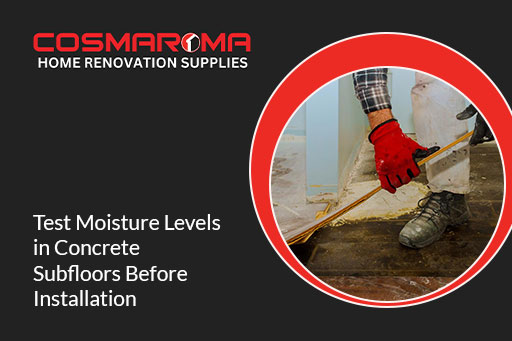
Test Moisture Levels in Subfloors
Test moisture levels in concrete subfloors before installation. Use a moisture meter to verify levels remain below manufacturer specifications. Excessive moisture can cause cork to expand excessively or develop mould.
Critical Don’ts to Avoid Common Mistakes
Avoiding these common mistakes protects your investment and ensures optimal performance from your cork underlayment system.
Don’t Install Over Damp or Wet Subfloors
Don’t install cork underlayment over damp or wet subfloors. Moisture trapped beneath cork can cause significant expansion, warping, and potential mould growth. Always address moisture issues before beginning installation to prevent costly repairs later.
Don’t Skip Manufacturer Guidelines
Don’t skip manufacturer guidelines regarding room temperature and humidity requirements. Most cork products specify optimal installation conditions between 65°F and 75°F with 30-50% relative humidity. Installing outside these parameters can cause expansion, contraction, or adhesion problems.
Don’t Use Cork as a Primary Moisture Barrier
Don’t use cork underlayment as a primary moisture barrier in basements or other below-grade applications. While cork resists moisture, it’s not designed as a waterproof membrane. Use appropriate vapour barriers when required by local building codes.
Don’t Install Over Radiant Heating Without Approval
Don’t install cork underlayment directly over radiant heating systems without manufacturer approval. Excessive heat can damage cork’s cellular structure and reduce its effectiveness. Check compatibility specifications before proceeding with radiant heat installations.
Don’t Compress Cork Excessively
Don’t compress cork excessively during installation, as over-compaction reduces cork’s acoustic and thermal insulating properties. Use appropriate tools and techniques to maintain the material’s natural resilience and cellular structure.
Don’t Ignore Building Codes and Permits
Don’t ignore local building codes and permit requirements. Some installations may require permits, especially in commercial applications. Check with Kingston building authorities before beginning significant flooring projects to avoid compliance issues.
Don’t Install Over Existing Flooring
Don’t attempt to install cork underlayment over existing flooring materials without proper preparation. Remove old flooring completely to ensure proper adhesion and prevent height issues with doors and transitions.
Soundproofing Applications and Performance
Soundproof cork underlayment addresses noise concerns in various residential and commercial applications in Kingston. Understanding its acoustic properties helps determine appropriate uses.
How Cork Provides Superior Soundproofing
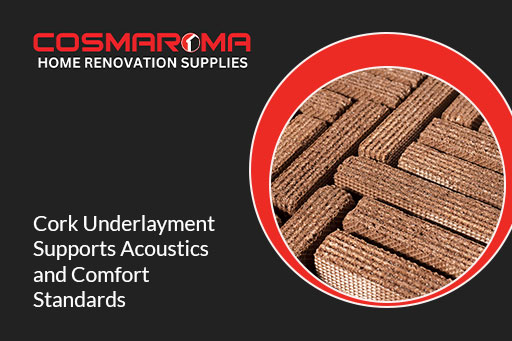
- Natural Acoustic Structure: Cork’s cellular structure contains millions of tiny air pockets that trap and absorb sound waves. This natural acoustic dampening significantly reduces impact noise from footsteps, dropped objects, and furniture movement.
- Density-Based Performance: The material’s density directly affects its soundproofing performance, with thicker cork providing greater noise reduction. Higher density options offer enhanced acoustic benefits for demanding applications.
Residential Soundproofing Applications
- Multi-Story Homes: Installing cork underlayment beneath hardwood, laminate, or tile flooring creates a quieter living environment for all occupants. This feature proves especially valuable in homes with active children or pets.
- Condominiums and Townhouses: These properties often have strict noise ordinances requiring acoustic underlayment installation. Cork underlayment meets or exceeds most building requirements for sound transmission reduction in Kingston residential buildings.
- Home Theatres and Media Rooms: These spaces require specialized acoustic considerations where cork underlayment provides excellent sound isolation. The material prevents noise from disturbing other areas while complementing additional soundproofing measures.
Commercial Soundproofing Solutions
- Restaurants and Retail Spaces: Cork underlayment reduces noise transmission between floors while providing comfortable walking surfaces for employees and customers. This enhances the overall customer experience in commercial environments.
- Office Buildings: Professional environments benefit from reduced noise transmission, creating more productive workspaces. Cork underlayment helps meet the acoustic requirements of commercial buildings while maintaining standards of comfort.
Finding Quality Cork Underlayment Suppliers
Locating reputable suppliers of cork underlayment ensures access to quality materials and professional installation services in the Kingston area.
What to Look for in Cork Underlayment Suppliers
- Product Variety and Quality: Cork underlayment stores in Kingston offer various product grades and thicknesses suitable for different applications. Visit showrooms to examine samples and discuss specific project requirements with knowledgeable staff.
- Credentials and Reviews: Research supplier credentials and customer reviews before making purchasing decisions. Established suppliers typically offer better warranties, technical support, and after-sale service for long-term peace of mind.
- Product Certifications: Ask about product certifications and environmental standards when evaluating suppliers. Quality suppliers provide documentation proving their materials meet industry standards and environmental requirements.
Choosing the Right Supplier in Kingston
- Quality Over Price: Compare pricing from multiple suppliers while considering quality differences. Cheaper products may lack proper density or adhesive backing, leading to installation problems and reduced performance over time.
- Comprehensive Services: Consider suppliers offering comprehensive services including delivery, installation, and warranty support. Full-service suppliers often provide better overall value through bundled services and accountability for project success.
- Local Expertise: Local suppliers understand Kingston’s climate conditions and building practices. Their experience with regional installation challenges provides valuable insights for your specific project requirements.
Recommended Supplier in Kingston
As a trusted supplier in the Kingston area, Cosmaroma offers quality cork underlayment products and professional guidance as to its installation. Our knowledgeable staff can help you select the right materials for your specific application and provide expert advice on installation requirements.
Professional Installation vs. DIY Considerations
Deciding between professional installation and the DIY approach depends on the project’s complexity, how much time you have, and your skill level.
Benefits of Professional Installation
- Expertise and Equipment: Cork underlayment installation in Kingston requires specific tools, techniques, and experience for optimal results. Professional installers possess specialized equipment and understand local building codes for compliant installations.
- Complex Project Management: Professionals can navigate challenging layouts, ensure proper adhesive application, and handle obstacles that might confuse DIY installers. Their experience prevents costly mistakes and ensures optimal performance.
- Comprehensive Warranties: Professional installation often includes warranties covering both materials and workmanship. These warranties provide peace of mind and protection against installation defects that could arise.
- Time Efficiency: Professionals complete installations quickly, with minimal disruption to daily routines. Their experience allows for faster completion without sacrificing quality or attention to detail.
DIY Installation Considerations
- Suitable Project Types: DIY installation suits smaller projects with simple layouts and minimal obstacles. Homeowners with flooring experience can successfully install cork underlayment by carefully following the manufacturer’s guidelines.
- Cost vs. Risk Factor: Consider that mistakes can be costly and may void product warranties. Factor in tool costs when evaluating DIY options, as professional installation tools can be expensive for single-use projects.
- Time Investment: DIY projects typically take longer than a professional installation would, especially for inexperienced installers. Consider whether the time investment and learning curve justify potential savings over professional installation.
- Limited Warranty Coverage: DIY installations typically void workmanship warranties while maintaining material coverage. This limitation could result in higher costs if problems develop later.
Maintenance and Long-Term Performance
Proper maintenance extends cork underlayment life and maintains its acoustic and insulating properties.
Essential Maintenance Practices
- Minimal Daily Care: Cork underlayment requires minimal maintenance once properly installed. Regular cleaning of the finished flooring surface prevents debris from affecting the underlayment below while avoiding excessive exposure to moisture.
- Moisture Monitoring: Monitor for signs of moisture infiltration that could affect cork performance. Address leaks or humidity issues promptly to prevent damage to the underlayment system and maintain optimal conditions.
- Proper Ventilation: Maintain proper ventilation to help sustain optimal humidity levels. Good air circulation prevents moisture buildup that could compromise cork’s natural properties over time.
Long-Term Care Strategies
- Regular Inspections: Inspect seams periodically for separation or lifting issues. Address minor problems promptly before they develop into larger issues requiring extensive repairs and higher costs.
- Professional Assessment: Consider professional inspections for commercial installations or high-traffic areas. Professional assessment can identify potential issues early and recommend preventive measures to extend system life significantly.
- Longevity Expectations: Most quality installations remain stable for decades with minimal maintenance. Proper care and attention to these guidelines ensures maximum return on your cork underlayment investment.
Cork underlayment offers Kingston homeowners an excellent combination of acoustic performance, thermal insulation, and environmental sustainability. Following proper dos and don’ts ensures successful installation and long-term satisfaction. Whether choosing professional installation or a DIY approach, quality materials and proper techniques deliver optimal results for years to come.