
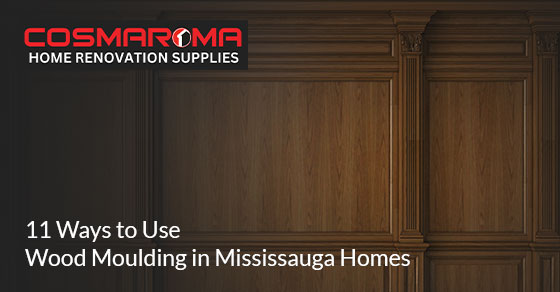
Wood moulding has become an essential element in Canadian home design. From traditional Victorian homes to modern condominiums, moulding adds elegance and value to properties in Mississauga. These decorative elements transform ordinary spaces into sophisticated interiors that reflect personal style and craftsmanship.
Mississauga homeowners increasingly recognize the versatility of wood mouldings. Whether you’re renovating a heritage home or updating a contemporary space, the right moulding choices can dramatically enhance your interior design. The city’s diverse architectural landscape provides endless opportunities for creative moulding applications.
Understanding Wood Moulding Applications

Here, we explore eleven distinct ways to incorporate wood mouldings into your Mississauga home. Each application offers unique benefits and design possibilities to enhance you’re your property’s aesthetic appeal and market value.
1. Crown Moulding Installation
Crown moulding in Mississauga homes creates a seamless transition between walls and ceilings. This classic architectural feature makes rooms appear taller and adds sophisticated detail to any room.
Crown moulding looks especially good in dining rooms, living rooms, and main bedrooms. When choosing a design, make sure the size of the moulding matches the size of the room and the height of the ceiling. Larger designs are suitable for rooms with nine-foot ceilings or higher, while smaller profiles work better in standard eight-foot spaces.
Canadian building standards accommodate various crown moulding styles. From simple cove profiles to elaborate multi-piece installations, there are options to suit every budget and design preference.
Quality wood species like pine, oak, and maple are preferred when it comes to moulding and stand up to Canada’s varied climate in terms of moisture and humidity exposure.
2. Baseboard Moulding Installation
Baseboard moulding protects walls from damage while creating clean floor-to-wall transitions. These essential trim pieces hide gaps between flooring materials and drywall. When properly installed, baseboards contribute to your home’s finished appearance and long-term maintenance.
Modern baseboard profiles range from simple rectangular shapes to ornate traditional designs. What height you select depends on the ceiling height and the room proportions. Standard Canadian homes typically use baseboards between 3.5 and 6 inches tall.
Wood baseboards offer superior durability compared to MDF alternatives as they can better withstand moisture fluctuations common in our country’s varied climate. Hardwood species provide extra resilience in high-traffic areas like hallways and entryways.
3. Window and Door Casing Installation
Window and door casings frame openings while concealing construction gaps. These trim pieces create architectural interest and visual weight around openings. Consistent casing profiles throughout your home establish design continuity and look professional.
The width of your casing should complement your home’s architectural style, with colonial and traditional styles often featuring wider, more elaborate casings. Contemporary designs typically use simpler, narrower profiles that emphasize clean lines.
Quality installation prevents air infiltration around openings. Properly fitted casings contribute to your home’s energy efficiency. This is particularly important in Mississauga’s varied seasonal temperatures, as this attention to detail reduces your heating and cooling costs over time.
4. Chair Rail Installation
Chair rails provide visual division in rooms with higher ceilings. Originally designed to protect walls from chair backs, these horizontal mouldings now serve primarily decorative purposes. Chair rails create opportunities for two-tone paint schemes and wallpaper combinations.
The traditional height of a chair rail measures 32 to 36 inches from the floor. This proportion works well in rooms with standard ceiling heights.
Chair rails work particularly well in dining rooms, hallways, and formal living spaces. They add architectural interest without overwhelming smaller rooms, with the horizontal line creating visual breathing space in busy or cramped areas.
5. Picture Frame Moulding Installation
Picture frame moulding creates decorative wall panels that add texture and interest. These raised frames can highlight artwork, mirrors, or simply provide wall decoration. The technique works especially well in formal dining rooms and living areas.
Its installation requires careful planning to ensure balanced proportions. Frames should relate to room size and ceiling height. Multiple frames can be used to create a gallery wall or define specific areas within larger rooms.
Wood picture frame moulding accepts a variety of finishes, with paint, stain, or natural finishes allowing for customization to match your existing decor. This flexibility makes picture frame moulding suitable for both traditional and contemporary interiors.
6. Wainscoting Installation
Wainscoting combines practical wall protection with decorative appeal. This lower wall treatment typically extends 32 to 42 inches from the floor. Traditional wainscoting includes panels, rails, and stiles that create formal wall divisions.
Modern wainscoting applications range from simple board-and-batten styles to elaborate raised panel systems. Your choice will depend on your home’s architectural character and your personal preferences. Simpler styles suit contemporary homes while more elaborate versions complement traditional architecture.
Wainscoting installation requires precise measurements and careful planning. Panel layouts should create balanced proportions throughout the room. Professional installation ensures straight lines and tight joints that enhance the room’s finished appearance.
7. Coffered Ceiling Installation
Coffered ceilings create dramatic architectural interest through recessed panels. These installations combine multiple moulding profiles to create geometric patterns overhead. Coffered ceilings work best in rooms with ceilings that are 10 feet tall or higher.
Planning coffered ceiling layouts requires attention to room proportions and lighting fixtures. Panels should create balanced patterns that complement the room’s furniture arrangement. The installation process involves precise measurements and careful material calculations.
Wood coffered ceilings add significant value to upscale homes, as the craftsmanship required demonstrates an attention to detail that discriminating buyers appreciate. This investment often returns value when selling your Mississauga property.
8. Built-in Bookcase Installation
Custom built-in bookcases incorporate various moulding profiles for a more finished appearance. Face frames, crown pieces, and base details create furniture-quality installations. These projects maximize storage while maintaining the space’s architectural consistency.
Your selection of moulding should complement the existing trim throughout your home. Matching these profiles creates a seamless integration between built-ins and architectural elements. This consistency enhances your home’s overall design cohesion.
Built-in installations require careful planning for electrical outlets and lighting. Wire management becomes crucial for contemporary electronics and task lighting. Professional installation ensures safe electrical integration with decorative elements.
9. Fireplace Mantel Installation
Fireplace mantels combine multiple moulding profiles into focal point features. These installations frame fireplaces while providing decorative display surfaces. Mantel designs range from simple shelves to elaborate architectural compositions.
Mantel proportions should relate to the size of your fireplace’s opening and the room’s scale. Obviously, larger rooms accommodate more substantial mantel designs. The installation must comply with Canadian fire safety codes regarding combustible materials near heat sources.
Custom mantel construction allows you personal expression through material selection and profile choices. Wood species, finish options, and hardware details also contribute to your mantel’s unique designs, while professional installation ensures both your safety and its aesthetic.
10. Staircase Moulding Installation
Staircase mouldings enhance safety railings while adding decorative appeal. These applications include handrails, balusters, and newel posts that combine function with style. Using quality materials also ensures long-term durability in high-use areas.
Canadian building codes specify requirements for stair railings and their safety features. Professional installation ensures compliance with these codes while maximizing your staircase’s aesthetic appeal. Proper fastening techniques provide safety margins that exceed minimum requirements.
Staircase moulding projects offer you opportunities for creative expression. Mixed materials, custom profiles, and unique finishes create personalized focal points. These installations often become signature features that define your home’s character.
11. Exterior Trim Installation
Exterior wood mouldings enhance your home’s curb appeal while protecting building envelope components like roofs, walls, and windows. These applications include window trim, door surrounds, and architectural details that define your home’s exterior character. Quality materials and finishes will better withstand Canada’s relatively harsh weather.
Installing exterior mouldings requires attention to moisture management and thermal movement. Proper flashing and caulking prevent water infiltration that can damage underlying structures. Regular maintenance preserves the appearance of exterior wood mouldings and extends their life.
Coordinating exterior and interior moulding profiles creates design continuity throughout your home. This attention to detail enhances your property values and demonstrates quality craftsmanship. Professional installation ensures the use of weather-resistant construction techniques.
Selecting Quality Materials

Which wood species you select for your mouldings will affect both their appearance and longevity. Canadian-grown species like pine, maple, and oak provide excellent value and performance. These materials adapt well to local climate conditions and finishing requirements.
Moisture content becomes crucial for dimensional stability. Kiln-dried lumber minimizes shrinkage and warping after installation. Quality suppliers provide properly dried materials that meet Canadian lumber standards.
Grain patterns and natural characteristics vary between species. Clear grades minimize knots and defects for painted applications. Character grades embrace natural features that enhance stained finishes. Your choice depends on your intended finish and budget considerations.
Professional Installation Benefits
Hiring a professional to install your mouldings ensures that proper techniques are used and maximizes their performance and appearance. Experienced installers understand Canadian building practices and climate considerations. Their expertise prevents common installation problems that affect your long-term satisfaction with your mouldings.
Using proper tools and techniques creates tight joints and smooth finishes. This professional-grade equipment produces results that exceed the typical capabilities of your average do-it-yourselfer. Investing in professional installation often pays dividends through improved appearance and durability.
Warranty coverage provides peace of mind for significant moulding projects. Reputable contractors stand behind their work with guarantees that protect your investment. This coverage becomes valuable insurance against installation problems or material defects.
Maintenance and Care
Regular maintenance preserves the wood moulding’s appearance and extends its service life. Dusting and periodic cleaning prevent buildup that can dull finishes. Prompt attention to minor damage prevents more serious problems from developing.
Climate control helps minimize the movement of wood, which can open joints or cause cracking. Consistent indoor humidity levels reduce expansion and contraction cycles. This stability preserves the installation quality of your moulding over many years of service.
Touch-up procedures can restore finish damage before it becomes noticeable. Matching paint colours and stain tones requires careful preparation and application. Professional refinishing services can also handle more extensive restoration projects.
Wood mouldings offer endless possibilities for enhancing your Mississauga home’s interior and exterior spaces. From elegant crown moulding installations to practical baseboard applications, these architectural elements add value, beauty, and craftsmanship to any property. The eleven applications discussed here provide starting points for your own creative projects. Take time to explore options that complement your lifestyle and design preferences. Quality moulding installations become permanent features that define your home’s unique personality.