

Toronto homeowners know that interior doors are more than just functional barriers. They’re an essential design element that can transform the look and feel of your living space.
Whether you’re renovating a historic Annex two-storey or updating a modern downtown condo, choosing the right interior doors can make a big impact on your home’s style and functionality. Toronto’s unique architectural diversity—from Victorian heritage homes to sleek contemporary condominiums—demands a versatile approach to interior door selection.
When exploring wooden interior doors in Toronto or more modern interior doors, homeowners have many options to complement their design preferences and practical needs.
Let’s take a look at those options.
Types of Interior Doors in Toronto That You Should Consider
Whether you are renovating or building new, understanding your options when it comes to interior doors will help you make a confident choice. So, let’s explore the many types of interior doors that Toronto has to offer!
1. Solid Wooden Interior Doors
Nothing says elegance like a solid wood door. Whether they’re made from oak, mahogany, or pine, a wooden interior door is known for the durability and timeless beauty it gives Toronto homes. Solid wood doors are like the classic black dress of interior design—versatile and never out of style.
Benefits14+5
- Classic aesthetic that suits many Toronto home styles
- Excellent sound insulation
- Durable and long-lasting
- Versatile design options
Challenges
- Can be more expensive than alternative materials
- Require periodic maintenance
- Heavier compared to modern door alternatives
2. Flush Doors
These sleek interior doors have become increasingly popular in Toronto’s contemporary living spaces. Characterized by their smooth, flat surfaces, minimalist flush doors offer a clean and uncluttered look perfect for modern interiors.
Benefits
- Streamlined, elegant appearance
- Easy to clean
- Lightweight
- Compatible with various design aesthetics
Challenges
- Less decorative
- May show imperfections more easily
- Limited design variety
3. French Doors
French doors add a dash of romance and elegance to any home. With large glass panes framed by wood or metal, they are perfect for connecting indoor spaces without losing light or flow.
French doors are an excellent choice for Toronto homeowners seeking to maximize natural light and create a sense of openness. These interior glass door installations are particularly popular in urban condos and spacious suburban homes.
Benefits
- Allow natural light transmission
- Create visual connection between spaces
- Add architectural interest
- Enhances perceived space
Challenges
- Less Privacy
- Require more precise installation
- Can be more expensive
- May need additional soundproofing
4. Sliding Barn Doors
Barn-style doors are trending big time in Toronto homes. They bring a rustic charm into modern homes and are incredibly versatile. Whether you have a farmhouse vibe or a modern aesthetic, barn doors make a bold statement.
Benefits
- Space-saving design
- Unique aesthetic appeal
- Work well in both traditional and contemporary spaces
- Versatile installation options
Challenges
- Require specific wall space
- Can be noisy when opening and closing
- May not provide complete sound insulation
5. Pocket Doors
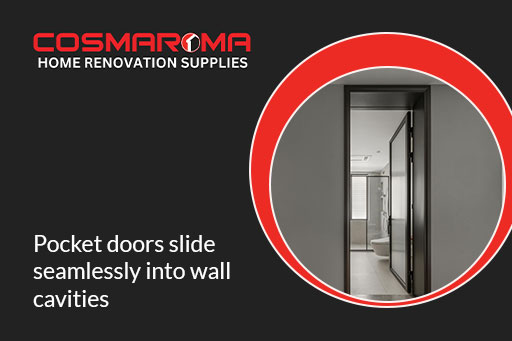
Imagine a door that disappears into the wall! That’s exactly what a pocket door does. Perfect for smaller Toronto homes and condos where space optimization is crucial, pocket doors slide seamlessly into wall cavities.
Benefits
- Maximize usable floor space
- Eliminate door swing interference
- Ideal for tight spaces
- Modern and convenient
Challenges
- Complex installation process
- Potential maintenance issues
- Limited design options
- Can be expensive to install
6. Bifold Doors
Closets and pantries are ideal spots for bi-fold doors. They fold neatly, allowing you to save space while keeping everything easily accessible. Also, commonly used for closets and smaller openings, bifold doors offer a practical solution for Toronto homes with limited space.
Benefits
- Compact design
- Easy to operate
- Suitable for closets and laundry areas
- Multiple material options
Challenges
- Less aesthetically sophisticated
- Can be less durable
- Limited soundproofing capabilities
7. Glass Interior Doors
Interior glass door installations have become increasingly popular in Toronto’s modern architectural landscape, offering a perfect blend of aesthetics and functionality.
Benefits
- Maximizes light transmission
- Create a sense of spaciousness
- odern and sophisticated appearance
- Various privacy options available
Challenges
- Less sound insulation
- Require more maintenance
- Can be more fragile
- Higher cost compared to traditional doors
8. Louvered Doors
Louvered doors are designed for ventilation, making them perfect for laundry rooms and closets. They offer a unique aesthetic that’s functional and stylish. Featuring horizontal slats, louvered doors provide unique ventilation and aesthetic opportunities.
Benefits
- Excellent air circulation
- Distinctive design
- Work well in humid spaces
- Add architectural interest
Challenges
- Collect dust more easily
- Less privacy
- Limited soundproofing
- Can look dated in some design contexts
9. Solid Core Doors
Solid-core doors offer enhanced durability and sound insulation, making them ideal for Toronto’s urban living environments.
Benefits
- Superior sound dampening
- Enhanced durability
- Better temperature regulation
- Professional appearance
Challenges
- Heavier than hollow core alternatives
- More expensive
- Require strong door frames
- Less lightweight
10. Art Deco-Inspired Doors
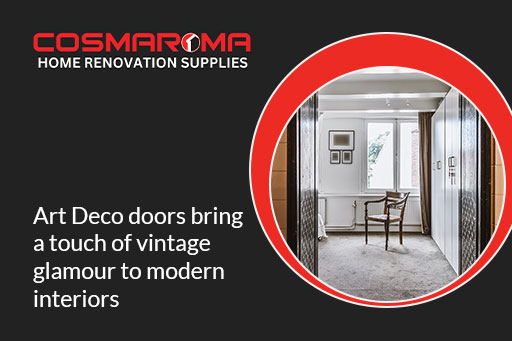
Drawing inspiration from Toronto’s historic architectural gems, Art Deco doors bring a touch of vintage glamour to modern interiors.
11. Japanese Shoji Doors
Inspired by traditional Japanese design, Shoji doors offer a minimalist and serene approach to Toronto’s multicultural homes.
Benefits
- Soft, diffused light transmission
- Create a sense of zen and tranquility
- Space-saving design
- Unique aesthetic appeal
Challenges
- Delicate construction
- Require careful maintenance
- Less durable than traditional doors
- Limited sound insulation
12. Industrial Metal Doors
Reflecting Toronto’s urban industrial aesthetic, metal-framed doors have gained popularity in loft-style and modern industrial interiors.
Benefits
- Extremely durable
- Modern, edgy appearance
- Versatile design options
- Low maintenance
Challenges
- Can feel cold or impersonal
- Potential noise when opening/closing
- May require specialized hardware
- Can be heavy and challenging to install
13. Arched Interior Doors
Bringing a touch of architectural elegance to Toronto’s diverse home designs, arched interior doors offer a sophisticated and timeless approach to interior spaces.
Benefits
- Create visual interest and architectural drama
- Soften linear room geometries
- Work exceptionally well in heritage and contemporary homes
- Add perceived height to rooms
- Provide a unique focal point in interior design
- Versatile in material options (wood, glass, composite)
Challenges
- More complex and expensive to manufacture
- Require specialized installation
- May not fit standard door frames
- Limited compatibility with modern minimalist designs
- Can be challenging to dress with standard door hardware
- Potentially reduce usable wall space
Tips on Choosing the Right Interior Doors in Toronto
When selecting interior doors, consider these factors:
- Your home’s architectural style
- Available space
- Budget
- Maintenance requirements
- Aesthetic preferences
Installation Considerations
For successful interior door installation in Toronto, always:
- Measure precisely
- Consider professional installation
- Select doors compatible with your home’s design
- Invest in quality hardware
Frequently Asked Questions (FAQ)
1. How much do interior doors typically cost in Toronto?
Interior door prices in Toronto can range from $100 to $1,000, depending on material, design, and quality.
2. What are the most popular interior door materials?
Wood, MDF, glass, and composite materials are the most common interior door materials in Toronto.
3. How often should interior doors be replaced?
With proper maintenance, interior doors can last 20-30 years. However, replacement might be recommended every 10-15 years for aesthetic updates.
4. Can I install interior doors myself?
While DIY installation is possible, professional installation ensures proper fit, functionality, and longevity.
5. How do I maintain my interior doors?
Regular cleaning, periodic painting or refinishing, and hardware maintenance will extend your doors’ lifespan.
Selecting the right interior doors for your Toronto home involves balancing aesthetics, functionality, and practicality. It’s about enhancing your home’s style, improving functionality, and creating a space that feels uniquely yours. Whether you go with wooden interior doors in Toronto or opt for modern interior doors, there’s something out there for every taste and need.
By understanding the various options available, you can make an informed decision that enhances your living space’s beauty and efficiency. Need help with buying an interior door for your space? Contact us! The team at Cosmaroma can help you buy the right product as per your needs and budget.