
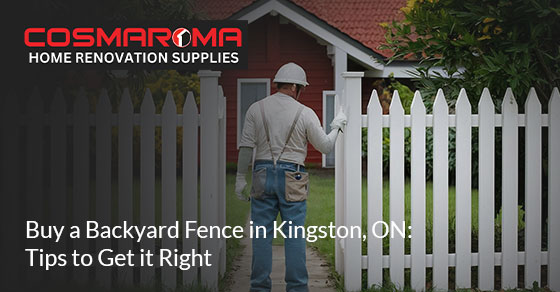
Your Kingston, ON home’s backyard deserves a fence that not only works well but looks good. Whether you want to keep your dog safely contained, create a private retreat, or define your property lines, choosing the right fence matters. When you buy a backyard fence in Kingston, you’re making a significant investment in your home.
But this decision involves more than simply picking a style you like. You also need to consider local regulations, climate challenges, material durability, and installation requirements.
This guide walks you through everything you need to know to get a top-quality backyard fence. You’ll discover practical tips that help you avoid costly mistakes and ensure your new fence meets your needs for years to come.
Let’s get started.
Understanding Your Fencing Needs and Goals

Before you start shopping, take some time to clarify your needs. Different Kingston homeowners have different priorities, and identifying yours will help you narrow down your backyard fencing options.
Think about privacy first. A backyard privacy fence in Kingston creates a secluded outdoor space where you can relax without feeling exposed. Solid panel designs work best for this purpose as they block sightlines from neighbours and passersby. If privacy tops your list, you’ll want materials that don’t leave gaps between boards.
Security might be your main concern instead. Families with young children need fences that prevent little ones from wandering off, while pet owners require barriers that keep dogs safely enclosed. Higher backyard fences with minimal footholds discourage unwanted visitors while keeping your loved ones secure.
Perhaps you simply want to establish clear property boundaries. Defining where your yard ends helps prevent disputes with neighbours and gives your landscape a finished look. Even a modest backyard fence serves this purpose effectively. Remember the old expression: good fences make good neighbours.
Consider aesthetics, too. Your fence becomes a backdrop for gardens, patios, and outdoor living spaces. The right design enhances your home’s curb appeal and complements your architectural style. Think about how the fence will look from both inside and outside your property.
Tip 1: Research Kingston’s Fencing Regulations
Every municipality has specific bylaws about fencing, and Kingston is no exception. Skipping this research step can lead to expensive mistakes and forced removals of fencing that doesn’t meet municipal requirements.
Start by checking height restrictions in your area. Residential zones typically limit backyard fences to 1.8 metres (6 feet) high. Contact the City of Kingston’s building department to confirm requirements for your specific location.
Property line setbacks matter significantly. You might need to position your fence a certain distance inside your property boundary rather than right on the line. This prevents encroachment issues and maintains access for maintenance. Survey your property professionally if you’re unsure where your boundaries fall.
Homeowner association (HOA) rules add another layer to consider. If you live in a community with an HOA, you’ll need their approval for fence designs. They often specify acceptable materials, colours, and styles. Review your HOA’s architectural guidelines before making any purchases.
Tip 2: Choose the Right Material for Kingston’s Climate
Kingston experiences four distinct seasons with harsh winters and humid summers. Your fence material needs to withstand these conditions without constant repairs.
Wood fencing in Kingston remains incredibly popular for good reason. Cedar and pressure-treated pine offer natural beauty and versatility. Cedar contains natural oils that resist decay and insect damage, making it ideal for our climate. Pressure-treated lumber costs less but requires proper sealing to prevent moisture damage. Both options need periodic staining or sealing to maintain their appearance and longevity.
Vinyl fencing provides a low-maintenance alternative that handles temperature swings well and won’t rot, warp, or require painting.
Modern vinyl products look remarkably realistic, mimicking wood grain patterns. They also resist moisture damage and stand up to freeze-thaw cycles. However, extreme cold can make vinyl brittle, so choose high-quality products designed for Canadian weather.
Aluminum fencing offers durability without rust concerns. It works beautifully for decorative applications and pool enclosures. The material won’t corrode in wet conditions and requires minimal upkeep. Powder-coated finishes come in various colours and resist chipping. Keep in mind that aluminum provides less privacy than solid materials.
Chain link remains the most budget-friendly option. While not the most attractive choice, it effectively contains pets and defines boundaries. Vinyl-coated versions look better and last longer than bare metal. You can enhance privacy by adding slats or screening material.
Composite materials blend wood fibres with plastic polymers. These products offer wood’s appearance with superior weather resistance. They don’t splinter, fade, or require staining. The upfront cost exceeds traditional wood, but your lifetime maintenance savings offset the difference.
Tip 3: Plan Your Budget Realistically
Your fence costs will vary dramatically based on materials, height, length, and installation complexity. Understanding the full financial picture prevents unpleasant surprises.
Material costs form your largest expense category:
- Basic chain link runs roughly $10 to $20 per linear foot installed.
- Pressure-treated wood ranges from $20 to $35 per linear foot.
- Cedar costs more, typically $30 to $50 per linear foot.
- Vinyl falls between $30 and $60 per linear foot.
- Composite materials represent the premium option at $40 to $80 per linear foot.
Professional fence installation in Kingston adds labour costs to your project. Experienced installers charge $30 to $50 per hour or quote per linear foot. Complex terrain, rocky soil, or difficult access increases labour expenses. Getting multiple quotes helps you find competitive pricing.
Don’t forget about gates, which cost significantly more than fence sections. A basic pedestrian gate runs $200 to $400. Larger double gates for vehicles cost $500 to $1,500 or more. Quality hardware, locks, and hinges add to these figures.
Ground conditions affect your installation costs, too. For instance, rocky soil requires specialized equipment for post holes, and slopes need stepped sections or custom grading. Removing old fencing adds disposal fees and extra labour.
Set aside 10-15% extra for unexpected expenses. Underground utilities, hidden obstacles, and design changes can all increase your costs. This buffer prevents budget overruns from derailing your project.
Tip 4: Consider Long-Term Maintenance Requirements
Every fence type demands different levels of ongoing care. Factoring in maintenance time and costs helps you choose wisely.
Wood fences require the most attention. You’ll need to inspect them annually for loose boards, rotting posts, and hardware problems. Cleaning removes dirt, mildew, and algae that degrade wood over time. Resealing or staining every two to three years protects against moisture and UV damage. Expect to spend a weekend on maintenance tasks plus material costs.
Vinyl fencing needs occasional washing to look its best. A garden hose and mild soap remove most dirt. Stubborn stains might require specialized vinyl cleaners. Check for cracks or damage after severe weather. Most vinyl products come with lengthy warranties covering manufacturing defects.
Metal fences demand minimal upkeep as aluminum needs only periodic washing. Be sure to check joints and fasteners annually, and touch up powder coating if it chips or scratches. Galvanized or coated chain link rarely requires attention beyond cleaning.
All fences benefit from regular inspections, so walk your fence line each spring and fall. Look for leaning posts, loose boards, damaged sections, and vegetation starting to encroach. Addressing small problems early prevents larger issues later.
As noted, vegetation management matters too. Keep grass and weeds trimmed along the fence line. Plants growing against fence materials trap moisture and accelerate decay. Trim tree branches that hang over or touch your fence. Root systems can shift posts out of alignment as well.
Plan for eventual repairs and replacements. Even quality fences wear out eventually, so be sure to budget for fixing or replacing sections every few years. Setting aside money annually prevents financial strain when repairs become necessary.
Tip 5: Carefully Evaluate Your Installation Options
You face a crucial decision: hire professionals or tackle the installation yourself. Both approaches have merit depending on your skills and circumstances.
Professional installation makes sense for complex projects, difficult terrain, or when you lack time and tools. It guarantees proper techniques are used, as well as faster completion. Experienced crews know how to set posts correctly, ensure level sections, and handle challenges. They also carry insurance protecting you from liability. Most offer warranties on both materials and workmanship.
DIY installation saves substantial money if you’re capable and willing. You’ll need basic tools like a post hole digger, level, saw, and drill. Rental equipment can handle specialized needs. Start with careful planning and accurate measurements. Mark post locations using string and stakes. Check for underground utilities before digging. Set posts in concrete for stability. Take your time to ensure that everything is level and square.
Hybrid approaches offer a middle ground. Some homeowners hire professionals for challenging aspects like setting posts while handling easier tasks themselves. This reduces costs while ensuring critical elements are done right. Buying materials separately and hiring labour are other options.
Time commitments can vary dramatically. Professional crews complete most residential fences in one to three days. DIY projects typically take several weekends, especially for beginners. Consider whether you can dedicate the required time.
Quality matters more than speed. A rushed amateur installation creates problems that cost more to fix than hiring professionals initially. Be honest about your skill level and available time before deciding.
Tip 6: Select a Fence Style That Complements Your Home
Your fence should enhance your property’s appearance, not clash with it. Matching styles creates visual harmony that boosts curb appeal.
Traditional picket fences suit both classic and cottage-style homes beautifully. The open design provides partial privacy while maintaining neighbourly visibility. White paint looks timeless, though natural wood stains work too. Picket heights typically range from three to four feet in the front yard. Side and rear fences for residences should be about 6 to 6.6 feet.
Horizontal slat fences deliver contemporary appeal. Their clean lines and uniform spacing create modern elegance. This style works with mid-century modern and minimalist architecture. Cedar or composite materials emphasize the horizontal orientation effectively.
Vertical board fences offer versatility for various architectural styles. Solid board fences provide maximum privacy. Alternate spacing creates interesting shadow patterns while allowing air circulation. This style adapts easily to different heights and configurations.
Split rail fences suit rural and country properties perfectly. The rustic appearance complements natural landscapes and large lots. Split rail fences don’t provide privacy or security but excel at boundary definition. Cedar split rails weather to an attractive grey patina.
Lattice-top fences add decorative interest to basic privacy designs. The open lattice section softens the fence’s visual weight while maintaining most of your privacy. This style works well for properties wanting both security and aesthetic appeal.
Consider your home’s exterior colours and materials. Match or complement these elements with your choice of fence. Natural wood tones coordinate with most colour schemes. Painted fences should harmonize with your home’s trim or accent colours.
Tip 7: Think About Future Property Plans
Smart Kingston homeowners consider how their backyard fencing affects future projects and their property value. Short-term thinking leads to costly do-overs.
Landscaping plans interact significantly with fencing decisions. Will you add gardens, patios, or outdoor structures later? If so, then you’ll need to position your fence to accommodate these additions. Leave adequate space between the fence and future construction sites. Consider how mature plants will look against your fence backdrop.
Pool installations require specific fencing under Ontario law. If you’re planning a pool, incorporate required safety fencing into your design. This avoids installing one fence now and another later. Pool fencing must meet all height and gate specifications outlined in building codes.
Deck and patio projects often look best when integrated with fencing. Plan these elements together when possible. Fences can attach directly to deck structures or run alongside them. Coordinated materials create cohesive outdoor living spaces.
Property value considerations matter too. Quality fencing generally increases home value by improving privacy, security, and aesthetics. However, unusual choices might appeal to fewer buyers. Stick with classic styles and neutral colours if resale concerns you.
Utility access needs planning as well. Water, electrical, and gas lines might require periodic maintenance. Don’t ‘fence’ yourself into situations where utility workers must remove sections to reach infrastructure. Include access gates in convenient locations.
Making Your Purchase Decision

Armed with research and planning, you’re ready to make informed purchases. Take your time comparing options and gathering quotes.
Visit multiple suppliers to compare materials firsthand. See quality differences between basic and premium products. Touch materials, examine construction details, and ask questions. Local lumberyards, home improvement stores, and fencing specialists all offer different advantages.
Request detailed written quotes from contractors. These quotes should specify materials, quantities, labour costs, timelines, and warranty terms. Compare quotes carefully, looking beyond bottom-line prices. Cheaper quotes might use inferior materials or skip essential preparation steps.
Check references and reviews for contractors you’re considering. Talk to previous customers about their experiences. Look for consistent quality, reliability, and professionalism. Verify your installation candidate’s licensing and insurance coverage before signing any contracts.
Read warranties thoroughly before committing. Material warranties vary from a few years to lifetime guarantees. Labour warranties typically cover installation issues for one to five years. Understand what’s covered and what isn’t.
Finally, get everything in writing as verbal agreements create disputes later. Contracts should detail all project aspects, payment terms, and change order procedures. Never pay the full amount upfront.
Buying the right backyard fence can transform your Kingston property into a more private, secure, and beautiful space. Take time to research regulations, choose appropriate materials, and plan your budget carefully. Whether you hire professionals or go the DIY route, quality installation ensures lasting results. Ready to enhance your backyard? Get in touch with Cosmaroma. We have a vast selection of backyard fence materials that are perfect for your Kingston home. Our team can help you find the right fence for your property.