
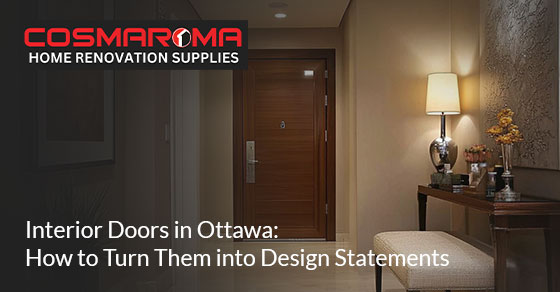
Too many Ottawa homeowners treat interior doors as afterthoughts in their home decor process, receiving less design attention than throw pillows or wall art. So, they buy the cheapest options and move on.
But this approach wastes one of your home’s most visible design opportunities. Every door offers a chance to reinforce your style, create visual interest, and elevate your entire space.
Fortunately, transforming these functional elements into intentional design statements doesn’t require a massive budget or complex renovations. Strategic choices in style, finish, hardware, and architectural details can turn ordinary interior room doors in Ottawa homes into features that command attention and admiration.
Let’s take a look at how to do just that.
The Design Foundation: Why Doors Matter More Than You Think
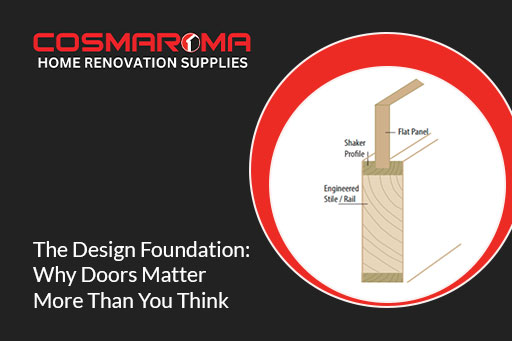
Doors occupy significant visual real estate in your home. They frame views between spaces, create a visual rhythm along hallways, and contribute substantially to your home’s overall aesthetic. A hallway with four bedroom doors presents eight door surfaces visible from various angles throughout the day.
Beyond their aesthetics, doors influence how spaces feel. Tall doors make rooms feel more spacious and elegant. Wide doors create generous transitions that improve flow. The right door choices enhance your home’s architectural character while the wrong choices undermine even the most carefully designed interiors.
Strategy 1: Embrace Architectural Drama with Door Style
Door style establishes your home’s design personality more powerfully than almost any other element. The transition from builder-grade hollow-core doors to thoughtfully selected styles can transform spaces.
Shaker-style doors bring timeless simplicity that works across design aesthetics. Their clean lines and recessed panels suit modern farmhouse, transitional, and contemporary spaces equally well. Their understated profile never competes with furnishings, while maintaining visual interest through subtle shadow lines.
Five-panel doors create a traditional elegance that is perfect for heritage homes and classic interiors. The symmetrical panel arrangement adds formality to a space without feeling stuffy. These doors ground spaces with historical authenticity that flat doors simply cannot achieve.
Full-panel or board-and-batten doors deliver a rustic charm that is ideal for cottage-style homes and farmhouse aesthetics. Their vertical planking creates height emphasis that makes ceilings feel taller. This style brings a texture and character that contrasts beautifully with smooth walls.
Glass-panel doors maximize light flow between spaces while maintaining their separation. French doors work beautifully for home offices, dens, or formal dining rooms. Frosted or textured glass provides privacy while still allowing light transmission. This approach particularly benefits interior spaces lacking natural light.
Modern slab doors embrace minimalism with completely flat surfaces. Their simplicity creates striking statements in contemporary homes. Their lack of ornamentation lets materials and finishes become the focal points. Pair these with equally minimal hardware for cohesive modern aesthetics.
Meanwhile, barn doors combine functionality with bold visual impact. The sliding mechanism saves space while creating an industrial or farmhouse character. Exposed hardware and rails become design features themselves. Consider this option for spaces where traditional swing doors feel awkward or waste space.
Strategy 2: Transform Your Doors with Paint and Stain Finishes
Colour can dramatically change how doors integrate into your home’s design scheme. Moving beyond basic white opens up endless possibilities for creating intentional design statements throughout your home.
Black doors create sophisticated contrast against light walls. This bold choice adds graphic punch to hallways and room transitions. Black works particularly well in modern, industrial, and contemporary spaces, with the darkness emphasizing the door’s shape and architectural details beautifully.
Navy or deep blue doors bring unexpected elegance without black’s severity. These rich tones feel grounded and intentional. They complement both warm and cool colour palettes while adding depth to neutral spaces.
Sage green or muted earth tones connect your interiors with natural elements. These organic colours create calming transitions between rooms. They work especially well in homes embracing biophilic design or nature-inspired aesthetics.
Matching door colour to wall colour creates seamless, cocoon-like spaces. This monochromatic approach makes doors recede visually, emphasizing room contents over transitions. This technique works beautifully in small spaces where you want architectural elements to disappear.
Natural wood stains showcase material beauty and bring warmth to interiors. For instance, medium walnut tones add richness without darkness, while light oak maintains brightness while adding texture. And dark espresso creates dramatic sophistication. Each stain choice influences the room’s mood significantly.
Two-tone doors combine painted frames with stained or contrasting panel colours. This approach adds complexity and visual interest. Paint the frame to match the trim while leaving panels natural or in accent colours. This layered look creates custom-look doors at a reasonable cost.
Strategy 3: Upgrade Hardware for Luxury
Door hardware functions as jewelry for interior doors in Ottawa homes. This often-overlooked detail separates builder-grade installations from designer-quality spaces. Hardware changes create a dramatic impact with relatively minimal investment.
Matte black hardware dominates current design trends for good reason. The finish brings a modern edge while maintaining timelessness. Black handles, knobs, and hinges create visual consistency across doors. They also work beautifully against white, coloured, or stained doors.
Brushed brass or gold hardware adds a warm elegance that is perfect for traditional and transitional spaces. These finishes feel luxurious without appearing gaudy. They complement wood tones beautifully while adding sophisticated polish to painted surfaces.
Chrome and polished nickel maintain a classic appeal for contemporary and transitional homes. These cool-toned finishes work particularly well with grey, blue, and white colour schemes. They bring subtle shine without demanding attention.
Oil-rubbed bronze creates a rich, dark contrast with a vintage character. The varied patina adds depth and interest up close. This finish suits traditional, farmhouse, and industrial aesthetics exceptionally well.
Beyond finish, hardware style matters enormously. Lever handles, for instance, feel more contemporary and accessible than round knobs. Backplates add architectural detail and protect walls from handle impacts, while oversized hardware makes bold statements on larger doors.
Don’t forget about hinges in Ottawa door installations. Visible hinges contribute to the home’s overall aesthetic, especially on frequently opened doors, while matching hinge finish to handle finish creates cohesive polish. Decorative hinges with details become features rather than functional necessities.
Strategy 4: Add Architectural Details and Millwork
Architectural embellishments transform plain doors into custom-appearing features. These additions create shadow play and dimensional interest that elevate perceived door quality dramatically.
Picture frame moulding applied to flat doors creates a panelled appearance. Simple pine or MDF moulding attached in rectangular patterns mimics traditional panel doors. You can then paint everything uniformly for seamless integration. This DIY-friendly approach dramatically upgrades builder-grade doors affordably.
Crown moulding or decorative headers above doors draw eyes upward and add classical elegance. This treatment works especially well with taller ceilings, where vertical emphasis benefits a room’s proportions. This added detail creates architectural character throughout your home.
Door casing upgrade replaces thin, basic trim with substantial, detailed moulding. Wider casings with interesting profiles frame doors beautifully. This change affects how doors integrate with walls and overall room architecture. For consistency, consider matching door casings to window casings.
Transom windows above doors increase light flow while adding architectural interest. Original to many heritage homes, this feature works in various styles. Transoms can be functional or decorative, and come in clear or textured glass. They break up wall expanses and create visual rhythm in hallways.
Door overlays or applied panels add three-dimensional interest to existing flat doors. Thin MDF or wood strips create raised panel effects. This technique allows dramatic transformations without replacing entire doors. The shadows cast by raised elements add sophisticated depth.
Strategy 5: Create Visual Flow and Consistency
Employing a strategic consistency across doors throughout your home creates intentional design flow. This doesn’t mean every door must be identical, but thoughtful coordination does prevent chaotic, disjointed feelings.
To do this, maintain a consistent hardware finish throughout the main living areas. Switching between brass, chrome, and black in adjacent spaces is a confusing approach. Instead, choose one finish for all doors in connected spaces. Different levels or separate wings can feature different finishes if desired.
Coordinate door styles within sight lines of each other. For instance, a hallway should feature matching door styles, even if the different rooms have different functions. This creates a visual rhythm and intentional design rather than a random one.
Each door’s paint or stain finish should follow similar consistency rules. A home with mismatched door colours feels indecisive, unless there is some kind of clear intentionality at play. (Example: all bedroom doors might share one colour while main floor doors use another.) Random variation comes off as unfinished rather than eclectic.
Strategy 6: Consider Practical Performance Alongside Aesthetics
Beautiful doors must also function properly for long-term satisfaction. Balancing appearance with practical considerations ensures your design statements don’t become maintenance headaches.
Solid core doors provide better sound insulation between rooms than hollow core options. This matters significantly for bedrooms, home offices, and bathrooms. The additional cost and weight deliver meaningful privacy benefits.
Pre-hung doors simplify installation and ensure proper fit. In this case, the door, frame, and hardware come assembled and aligned. This reduces installation challenges and delivers better long-term performance than slab doors requiring separate framing.
Climate considerations may also affect your choice of door material. Solid wood doors expand and contract with humidity changes. Engineered wood or composite options maintain stability across seasons. Consider your home’s humidity control when selecting materials.
Swing direction impacts room functionality and furniture placement . Ensure doors open against walls rather than into the room centers. This maximizes usable floor space and protects door surfaces from furniture impacts.
Door width affects accessibility and furniture moving, too. Standard 30-inch-wide doors work for most bedrooms. Wider 32- or 36-inch options ease furniture movement and improve accessibility.
Strategy 7: Layer Lighting to Showcase Door Design
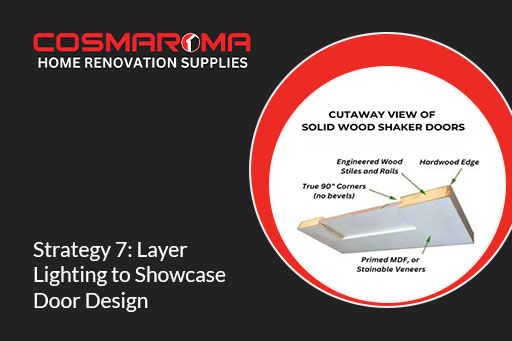
Proper lighting reveals the door’s beauty and enhances its role as a design statement. Strategic illumination turns doors from flat surfaces into dimensional features with depth and interest.
Wall sconces flanking doors create symmetry and highlight architectural details. This approach works beautifully in hallways and at important room entries. The light washes across the door’s surface, emphasizing its texture and finish.
Overhead lighting positioned to graze door surfaces shows off panels, mouldings, and hardware. Adjustable recessed lights can be angled toward doors intentionally. This creates drama through shadow play across raised or recessed elements.
Natural light consideration also affects door finish choices. Homeowners with doors receiving direct sunlight should avoid applying finishes that fade or show every fingerprint.
You should also be sure to position glass-panel doors where they maximize light transmission between spaces.
Strategy 8: Coordinate Doors with Your Overall Design Scheme
Doors don’t exist in isolation but integrate with floors, walls, trim, and furnishings. Coordinating these elements creates cohesive, intentional spaces rather than collections of individual choices.
Match your door stains to flooring tones or create intentional contrast. Doors slightly lighter than floors feel airy. Doors matching floor darkness create grounded, cocooning effects. Avoid nearly matching tones that appear to be failed attempts at matching.
Coordinate your door trim with your baseboards and crown moulding. Matching profiles and finishes creates architectural consistency. All trim can be white while doors feature colour, or all elements, including doors, can share one paint colour.
Consider the door’s relationship to your furniture finishes. Matching wood tones between doors and furniture creates harmony; contrasting ones create dynamic interest. Neither approach is inherently better, but the unconscious mismatch appears unintentional.
Wall colour dramatically affects the door’s appearance. Dark doors against light walls create bold contrast; light doors on light walls create subtle, serene transitions. Door colour can either complement or contrast with wall colour, depending on the desired impact.
Making Your Vision Reality
Transforming doors from necessities into design statements requires thoughtful planning and intentional execution. Start by identifying which doors receive the most visual attention. Focus your efforts on high-impact areas before addressing secondary spaces.
Create a cohesive plan covering style, finish, and hardware across your home. Collect inspiration images showing doors you love. Identify common threads in your preferences to clarify your aesthetic direction.
Budget appropriately by prioritizing visible doors first. Main floor and hallway doors deserve immediate attention because guests and family members see them constantly.
Work with experienced suppliers who understand the balance between design and functionality. Quality materials and proper installation ensure your beautiful doors perform reliably for decades. Cosmaroma offers expert guidance to help Ottawa homeowners select doors that combine stunning aesthetics with lasting quality.
Interior doors offer powerful design opportunities that most homeowners overlook. Strategic style, finish, and hardware choices can transform them into intentional statements throughout your home. Visit Cosmaroma to explore door options that elevate your Ottawa home’s design.