
Buying plywood sheets in Toronto might seem like a straightforward task until you’re standing in a lumber yard surrounded by a lot of plywood sheets. Making the wrong choice can derail your project, waste money, and create headaches down the line. Whether you’re building custom cabinets, finishing a basement, or tackling outdoor construction, asking the right questions of your plywood suppliers in Toronto separates successful projects from costly mistakes.
Toronto’s climate presents unique challenges for wood products. Temperature swings, humidity changes, and seasonal moisture affect how plywood performs over time. Understanding what to ask before you buy helps you select materials that stand up to local weather while meeting your project requirements. This guide walks you through eleven critical questions that protect your investment and ensure your project’s success.
Understanding Plywood Basics Before You Buy
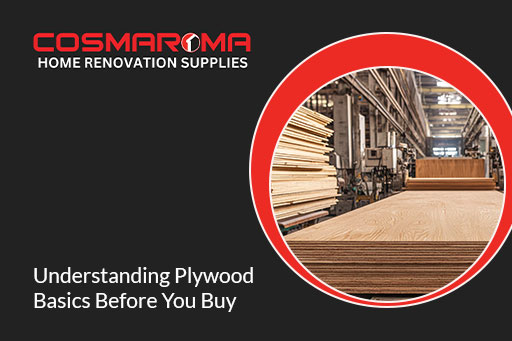
Before diving into specific questions, it helps to understand what makes plywood different from other wood products. Plywood consists of thin wood layers glued together with alternating grain directions. This construction provides strength and stability that solid wood cannot match. The number of layers, the species of wood, and the type of adhesive all impact the plywood’s performance and price.
Different projects demand different plywood characteristics. Furniture requires smooth surfaces and an attractive appearance. Structural applications need superior strength and moisture resistance. Knowing your project requirements helps you ask targeted questions that reveal whether specific types of plywood sheets in Toronto match your needs.
Question 1: What Grade Is This Plywood?
Plywood grading determines surface quality and appearance. The grading system uses letters, with A representing the highest quality and D indicating the lowest. A sheet marked A-C has an A-grade face and a C-grade back.
Grade A features smooth surfaces with minimal defects. These sheets work perfectly for visible applications like cabinet doors or furniture. Grade B allows small, tight knots and minor repairs. Grade C includes larger knots and some splits. Grade D permits significant defects and works only for structural applications where appearance doesn’t matter.
Understanding these grades prevents you from overpaying for quality you don’t need. For instance, structural sheathing, which is applied to the outside of a building to protect it against wind and other forces, doesn’t require A-grade surfaces. Conversely, using C-grade plywood for visible cabinetry creates disappointing results, no matter how well you finish it.
Question 2: Is This an Interior or Exterior Grade?
The adhesive bonding of plywood layers determines whether sheets suit interior or exterior use. Interior plywood uses moisture-resistant glue adequate for indoor conditions. Exterior plywood employs waterproof adhesives that withstand weather exposure and high humidity.
Using interior-grade material outdoors leads to delamination as moisture breaks down the glue bonds. Sheets separate into layers, losing their structural integrity and creating safety hazards. Even covered outdoor applications like soffits require exterior-grade materials due to humidity and temperature fluctuations.
Toronto’s climate makes this distinction crucial. For instance, basements experience more humidity than main floors, while garages face extremes in temperature. Where your project lives helps plywood suppliers in Toronto recommend appropriate materials that perform reliably over time.
Question 3: What Wood Species Makes Up These Sheets?
The species of wood used in plywood construction affects strength, weight, appearance, and workability. Common species include Douglas fir, southern pine, birch, maple, and poplar. Each offers distinct characteristics suited to different applications:
- Douglas fir provides an excellent strength-to-weight ratio for structural uses.
- Birch offers smooth surfaces ideal for painting or staining.
- Maple delivers hardness for flooring applications.
- Poplar works well for painted projects where appearance matters less than smooth surfaces.
Species also impacts screw-holding power and edge finishing. Hardwood species like birch accept screws better and produce cleaner edge cuts than softwood options. If your project involves visible edges or requires numerous fasteners, species selection becomes critical.
Question 4: What Thickness Do I Actually Need?
Plywood thickness ranges from 1/4 inch to 3/4 inch for most applications, with some specialty products being thicker. Thickness affects your plywood’s strength, weight, and cost. Understanding span requirements and load expectations helps determine appropriate thickness.
Cabinet backs typically use 1/4-inch plywood since they carry minimal weight. Shelving requires 1/2 to 3/4-inch thickness depending on span and expected load. Flooring applications demand 5/8 to 3/4-inch sheets for proper support. Structural sheathing specifications depend on stud or joist spacing.
Thicker isn’t always better. Excess thickness adds weight and cost without improving performance. Insufficient thickness creates sagging, deflection, and potential failure of the plywood. Matching thickness to engineering requirements optimizes both the wood’s performance and your budget.
Question 5: Does This Plywood Meet Required Building Codes?
Toronto follows the Ontario Building Code, which specifies minimum requirements for structural materials. Code-compliant plywood carries stamps indicating that it meets manufacturing standards and performance criteria. These stamps verify thickness, span ratings, and exposure durability.
Structural plywood displays APA (Engineered Wood Association) stamps showing span ratings. These numbers indicate maximum joist or stud spacing for floor, roof, and wall applications. Using materials without proper ratings risks inspection failures and potential structural problems.
Even non-structural applications may face code requirements. Fire-rated plywood becomes necessary in certain commercial applications or multi-family residential projects. Asking about code compliance protects you from purchasing materials that won’t pass inspection.
Question 6: How Was This Plywood Stored?
Storage conditions dramatically affect plywood quality before purchase. Sheets stored outdoors without protection absorb moisture, warp, and may develop mould. Even covered storage allows humidity exposure that causes problems.
Properly stored plywood remains flat, dry, and ready for use. Warped sheets create installation headaches and waste material through increased cutting. Moisture-damaged plywood may look acceptable, but it may fail to hold fasteners properly and continue to warp after installation.
Inspect sheets carefully before purchasing. Look for signs of water damage, warping, or mould. Quality suppliers maintain climate-controlled storage or careful covering systems. When working with plywood suppliers in Toronto, ask about storage practices to ensure you receive materials in optimal condition.
Question 7: What’s the Core Construction?
Plywood cores come in several types, affecting both their performance and price:
- Veneer core uses solid wood layers throughout. It provides maximum strength and screw-holding power, and works best for structural applications and situations requiring edge fastening.
- MDF core combines wood veneers over medium-density fiberboard. It offers extremely flat, smooth surfaces ideal for painted applications. This core is heavier and holds screws less reliably than the veneer core.
- Baltic birch plywood uses all-hardwood veneer layers, creating exceptional strength and beautiful edges.
- A combination core uses veneer outer layers with mixed materials inside.
Question 8: Is This Plywood Pre-Sanded?
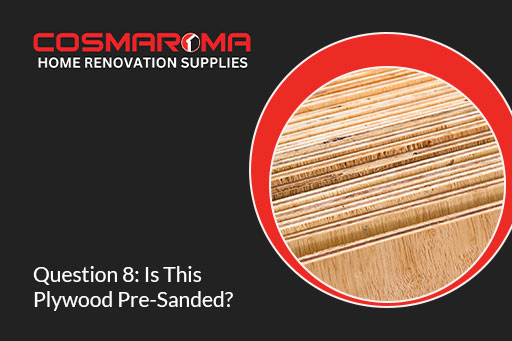
Sanded plywood features smooth surfaces ready for finishing. Unsanded or touch-sanded plywood requires additional preparation before painting or staining. The sanding level affects its appearance, workability, and final finish quality.
Pre-sanded sheets save labour time and produce better results than hand-sanding rough plywood. The factory sanding process achieves consistent smoothness impossible to match manually. For projects where appearance matters, sanded plywood represents money well spent.
Structural applications often use unsanded plywood since surfaces remain hidden. Roof sheathing, subfloors, and wall sheathing don’t require smooth finishes. Choosing unsanded materials for these applications reduces costs without sacrificing performance.
Question 9: What Formaldehyde Emissions Does This Product Have?
Plywood adhesives traditionally contained urea-formaldehyde, which releases formaldehyde gas over time. Health concerns led to stricter regulations and the development of low-emission alternatives. Understanding emission levels matters for indoor air quality.
CARB 2 (California Air Resources Board Phase 2) represents current North American standards for formaldehyde emissions. Most quality plywood now meets or exceeds these requirements. Some manufacturers offer NAF (No Added Formaldehyde) or ULEF (Ultra-Low Emitting Formaldehyde) options.
For residential interiors, especially spaces with limited ventilation, choosing low-emission products protects occupant health. This consideration becomes particularly important for children’s rooms, bedrooms, and living areas where people spend significant time.
Question 10: Can I Return or Exchange Defective Sheets?
Even careful inspection misses hidden defects sometimes. Internal voids, delamination, or manufacturing flaws may only become apparent during cutting and installation. Understanding return policies before purchasing protects you from losses due to defective materials.
Reputable suppliers stand behind their products with reasonable return policies. Some charge restocking fees; others accept returns only on unopened bundles. Knowing these terms before purchase helps you buy appropriate quantities and understand your recourse options if problems arise.
Cosmaroma maintains customer-focused policies, recognizing that quality materials form the foundation of successful projects. Understanding supplier commitments to customer satisfaction helps identify partners who support your success rather than simply moving inventory.
Question 11: What’s the Price Per Square Foot?
Plywood pricing gets confusing quickly. Sheet sizes vary, and suppliers quote prices by sheet or by square footage. Understanding the actual cost per square foot enables accurate comparisons between suppliers and products.
Standard plywood sheets measure 4 feet by 8 feet (32 square feet). Some suppliers stock 4×10 or 5×5 sheets for specific applications. Calculating price per square foot reveals the true cost and helps compare different sheet sizes fairly.
Don’t forget to factor in delivery costs, especially for large orders. Transportation adds significantly to total project costs. Some suppliers include delivery above minimum order quantities; others charge per trip or per mile/kilometre. Total landed cost matters more than the initial sheet price.
Making Your Final Decision
Armed with answers to these eleven questions, you can confidently select plywood sheets in Toronto that match your project’s requirements and budget. Don’t rush the selection process or settle for vague answers from suppliers.
Suppliers you can trust welcome questions and provide detailed information about their products. They understand that educated customers make better purchasing decisions and experience fewer problems. If a supplier seems annoyed by your questions or provides evasive answers, consider shopping elsewhere.
Your project deserves materials that perform reliably and meet your expectations. Investing time in asking the right questions prevents costly mistakes and ensures successful outcomes.
Purchasing plywood requires more consideration than simply grabbing the cheapest sheets available. Ask these eleven questions to identify materials matching your specific needs, budget, and performance requirements. Visit Cosmaroma to discuss your project with knowledgeable staff who help you select the perfect plywood for superior results.